Recipes
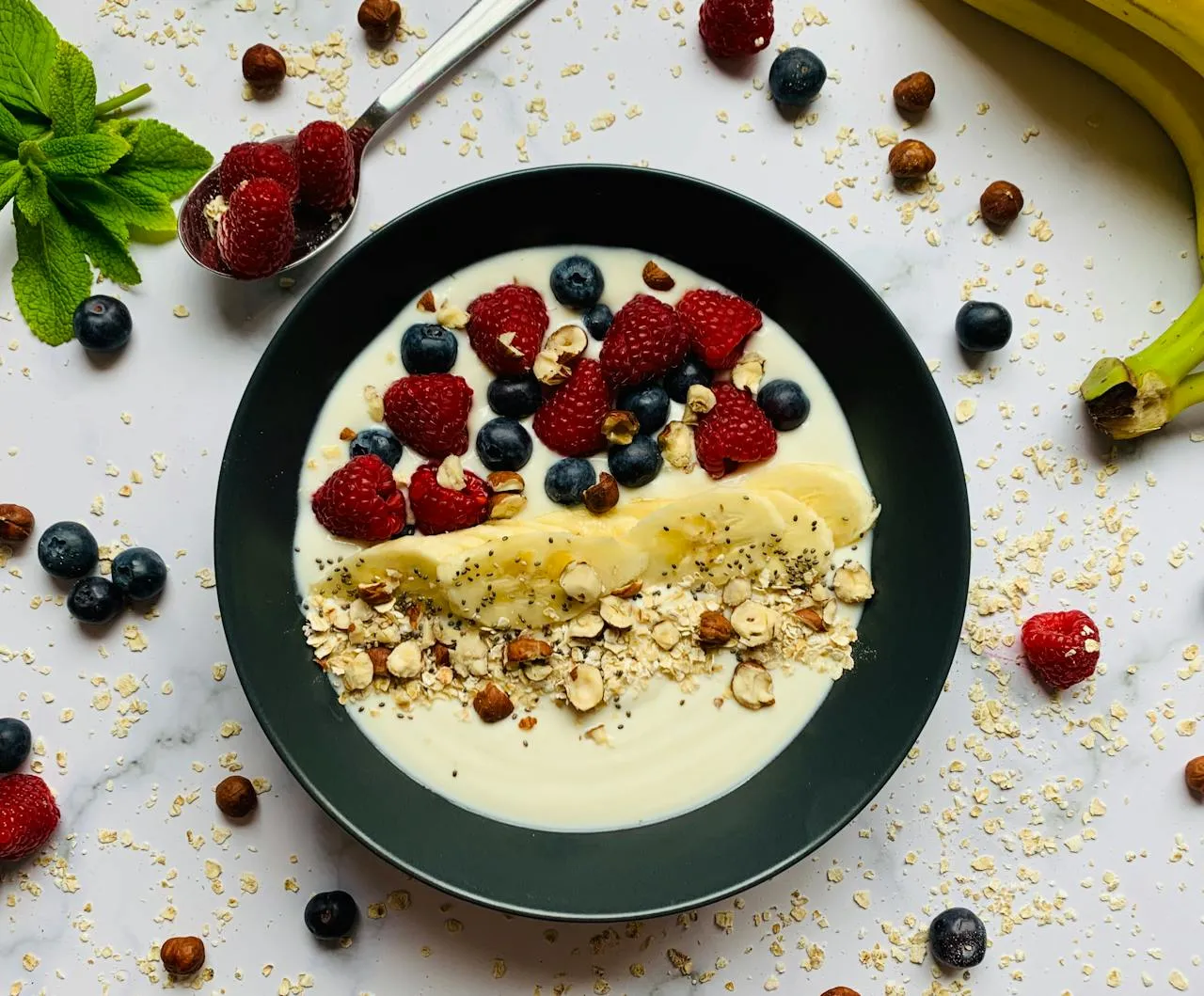
5 nourishing breakfasts under 10 minutes
Quick doesn't have to mean unhealthy. These simple breakfast ideas will fuel your morning without the faff.
4 min read

If you've spent years following diets, counting calories, or labelling foods as "good" and "bad", the idea of intuitive eating might feel a bit scary. I get it. When you've relied on external rules to tell you what, when, and how much to eat, the thought of trusting your own body can feel like stepping off a cliff.
But here's the thing: intuitive eating isn't about chaos. It's not about eating whatever you want, whenever you want, with no thought at all. It's about reconnecting with signals your body has been sending you all along — signals that diet culture taught you to ignore.
Intuitive eating is a framework developed by dietitians Evelyn Tribole and Elyse Resch in the 1990s. It's built on ten principles that guide you away from the diet mentality and towards a healthier, more peaceful relationship with food.
At its core, intuitive eating is about:
Before we dive into intuitive eating, it's worth understanding why the alternative — dieting — doesn't work for most people long-term. Research consistently shows that the vast majority of people who lose weight through dieting regain it within a few years. Many end up heavier than when they started.
This isn't a failure of willpower. It's biology. When you restrict your food intake, your body responds by increasing hunger hormones, decreasing fullness hormones, and slowing your metabolism. Your body is literally fighting against the restriction because it thinks you're in danger.
The definition of insanity is doing the same thing over and over again and expecting different results. If diets haven't worked for you, that's not your fault — it's the diet's fault.
Start paying attention to what hunger actually feels like in your body. Not the clock telling you it's lunchtime, not a calorie tracker telling you you've "earned" a meal, but the actual physical sensation. It might be a growl in your stomach, a dip in energy, difficulty concentrating, or a subtle sense of emptiness.
Try checking in with yourself a few times a day: "Am I hungry? What does this feel like?" There's no right or wrong answer — just curiosity.
This is often the scariest step, but it's crucial. When you tell yourself you "can't" have something, you create a sense of deprivation that often leads to overeating that food later. By giving yourself full permission to eat all foods, you remove that charged, forbidden quality.
Over time, you'll likely find that the foods you used to binge on lose their power. A biscuit is just a biscuit when it's not forbidden fruit.
I'm not going to tell you to never eat in front of the TV — that's unrealistic and joyless. But try having a few meals a week where you sit down, put your phone away, and actually taste your food. Notice the flavours, textures, and how your body feels as you eat.
This isn't about being perfect. It's about rebuilding a connection with eating that many of us have lost.
Let me clear up a few common misconceptions:
Intuitive eating is a journey, not a destination. There will be days when old habits creep back in, when you catch yourself mentally tallying up calories or feeling guilty about a meal. That's normal. The goal isn't perfection — it's progress.
If you're curious about exploring intuitive eating with some guidance, I'd love to chat. My Nourish programme weaves intuitive eating principles into a personalised plan that works for your life. No rules. No restriction. Just a gentler way to nourish yourself.
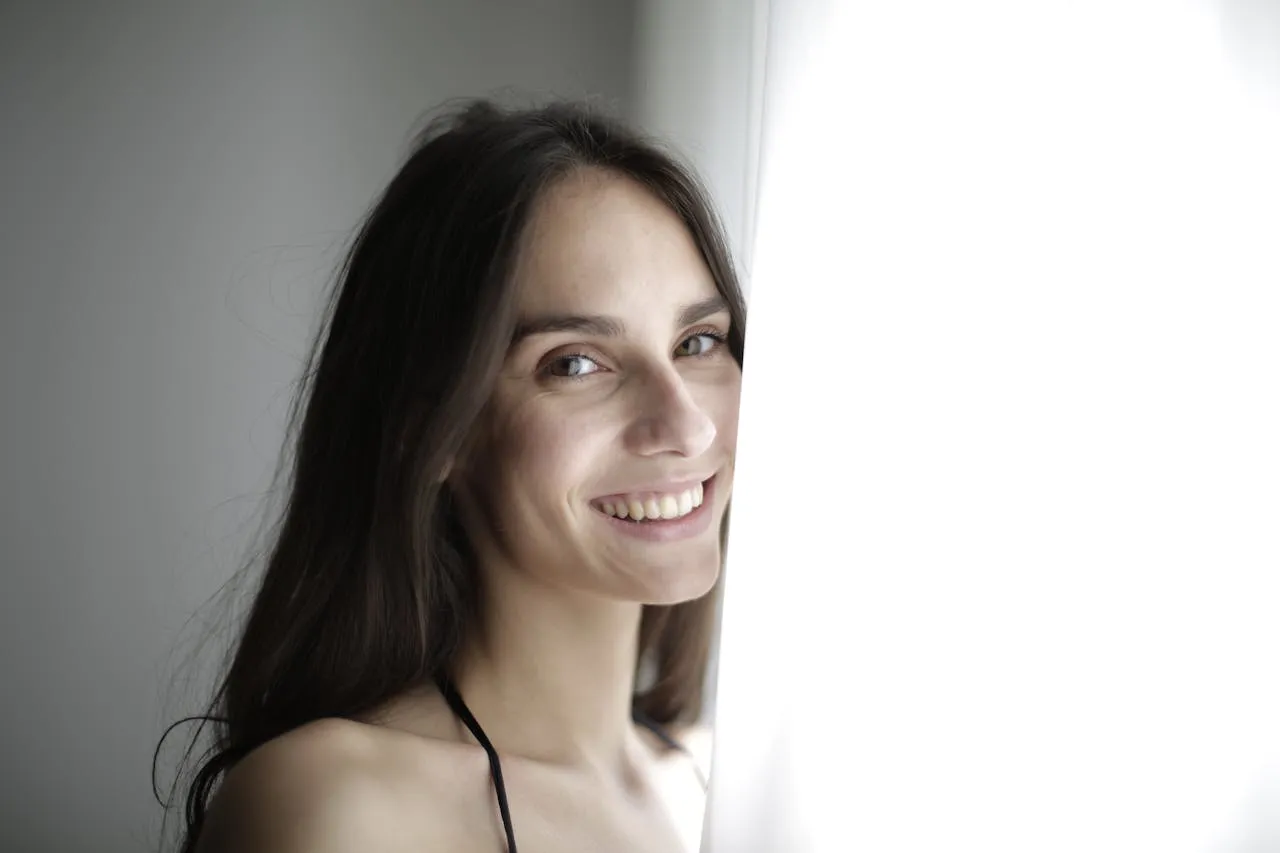
Sophie Hartwell
Nutritional Therapist & Wellness Coach
Sophie is a qualified nutritional therapist based in Bristol, helping women rebuild a healthy relationship with food through evidence-based, compassionate coaching.
If this article resonated with you and you'd like one-to-one support, I'd love to help.
Get in touch